
Almost everyone who reaches out to us about a tiny home asks some version of the same question: where can I actually put it?
The honest answer is: it depends on where you are and what type of home it is. Where your tiny home can legally be parked comes down to the local bylaws, the property itself, and how the home is certified. Once you understand how those fit together, your options get a lot clearer.
The Key Takeaway:
Canada has no single national rule for where a tiny home can go. It depends on your municipality, the type of property, and how the home is certified. CSA Z240 RV models are the easiest fit for RV parks and campgrounds, CSA Z241 Park Models suit longer-term placement, and rural properties tend to offer more flexibility than city lots. Always check with the local planning office before you buy land or place a home.

Parking a Tiny Home
vs. Living in One
While many municipalities will let you store a tiny home on wheels on your property — much like you’d store an RV — living in it is a separate matter. Full-time occupancy usually requires special zoning and often a development permit as well.
It’s important to keep this distinction in mind when you’re making plans and shopping for a tiny home. “Can I park it here?” and “Can I live in it here?” are different questions that often have different answers.
How Is a Tiny Home Classified? Understanding RV, Park Model and Foundation Builds
When a municipality, RV park, insurer or lender looks at a tiny home, one of the first things they want to know is how the home is classified. That classification can have a major impact on where the home can be placed and how it can be used.
For tiny homes on wheels in Canada, there are two main CSA standards:
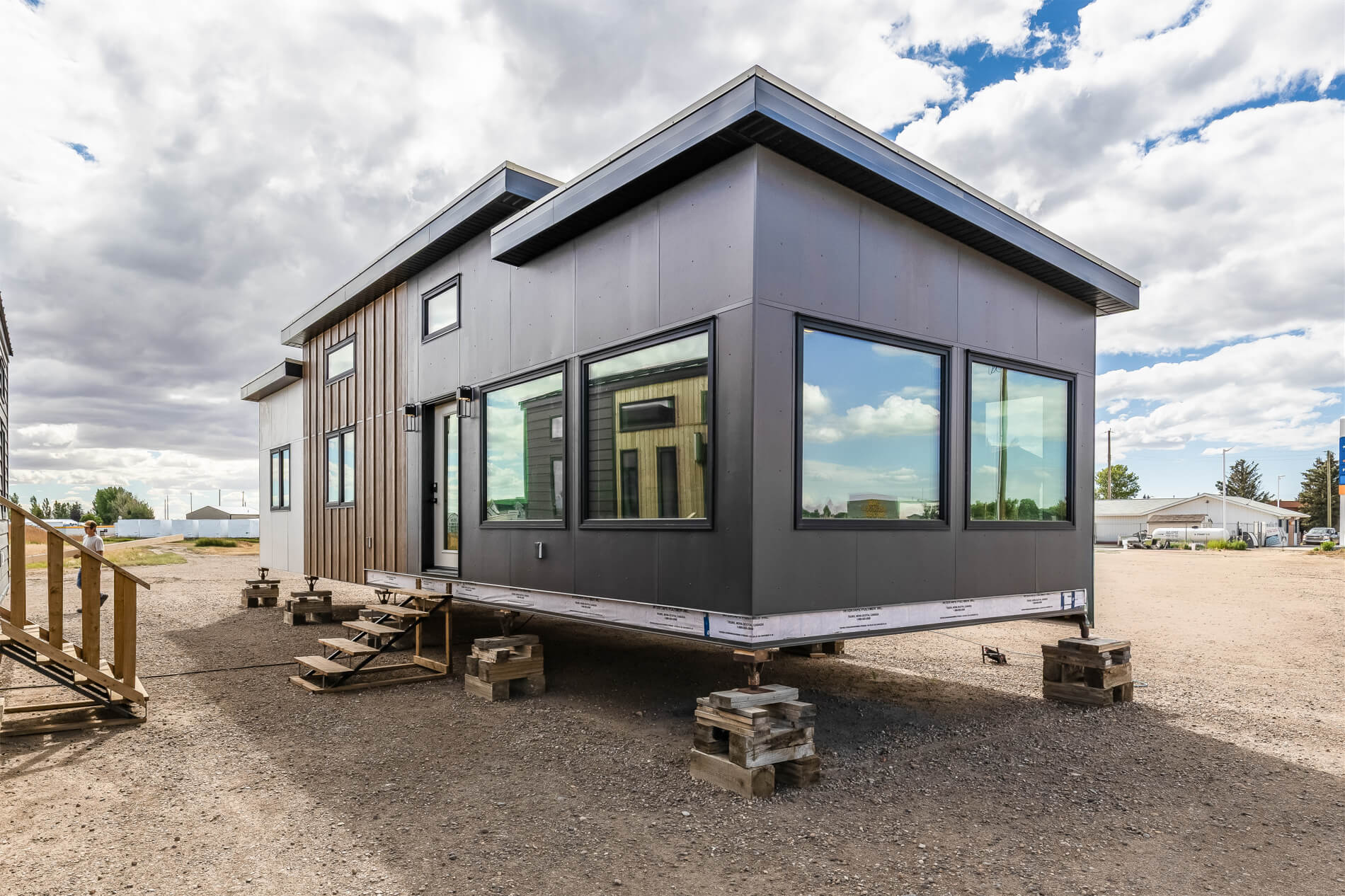
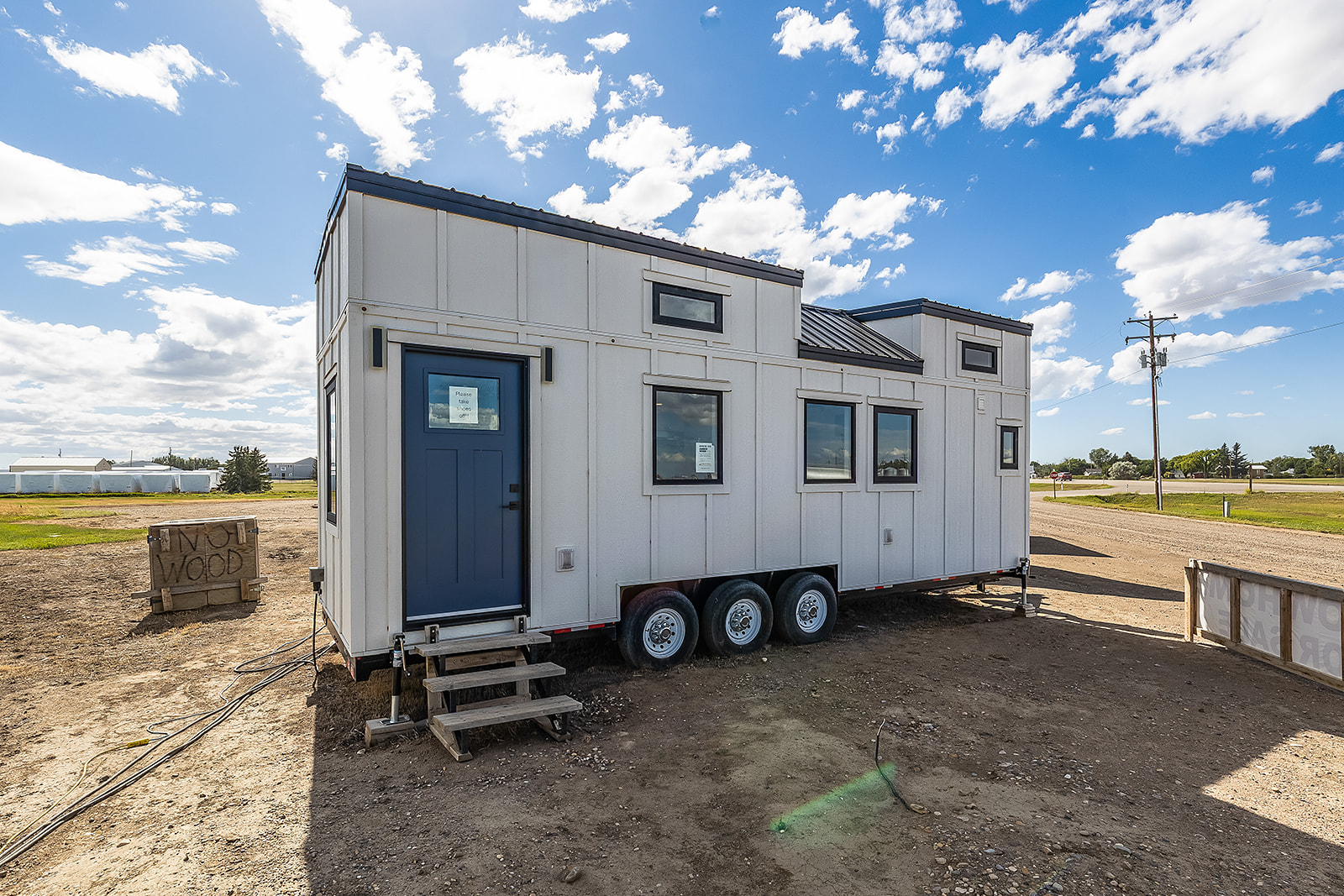
- CSA Z240 (RV): These homes are built to the same standard as recreational vehicles. They’re the most flexible option if you plan to travel, and they’re the most widely accepted in RV parks and campgrounds. Browse RV Models
- CSA Z241 (Park Model): Park Models are designed for longer-term placement, with up to 538 square feet of floor space. They offer more of the feel and functionality of a traditional home while still being built on a trailer chassis. Browse Park Models
A quick note about Foundation Builds
A tiny home built on a permanent foundation falls into a different category altogether. Rather than being treated as an RV or Park Model, it is regulated as a dwelling and must meet the applicable provincial and local building codes.
This can open up different placement options, particularly on properties where a permanent residence is permitted. A foundation build can be placed on a variety of foundation systems, including crawl spaces, screw piles and basements, depending on the property and local requirements.
Any Amberwood Tiny Homes model can also be converted to a foundation build, giving you the flexibility to choose a layout and design you love while building it as a permanent home. Learn more about Amberwood foundation builds.
The important thing is that certification and construction type are only part of the equation. Even a properly certified tiny home may not be permitted everywhere, which is why you’ll still need to check the zoning and placement rules for the specific property.
Where Can You Put a Tiny Home? Exploring Your Placement Options
RV Parks and Campgrounds
This is the simplest option for a certified RV tiny home. Keep in mind that many campgrounds are seasonal, some limit how long you can stay, and not all of them allow full-time living. If you’re planning to stay through winter, ask whether water and sewer remains available in the cold months. It’s also worth confirming whether the park accepts tiny homes specifically, since some have their own rules about the types of units they allow.
Park Model Communities and Resorts
There are communities across Canada built specifically for Park Models, often on leased lots. Many are recreational, so be sure to ask whether year-round living is permitted before you commit. Tiny home communities are starting to appear too, though there aren’t many yet.
Rural Land and Acreages
Rural areas often offer the most flexibility. Some rural municipalities allow a second dwelling on larger parcels, usually with a development permit. That makes a tiny home a natural fit for a guest cabin, a place for family near the farm, or housing for seasonal help.
Rules still vary quite a bit from one municipality to the next, including minimum parcel sizes, setbacks, and limits on how many dwellings are allowed. You’ll also need a plan for water, power and wastewater. Private sewage systems are regulated provincially, so a septic system or holding tank needs to meet those standards.
Your Backyard
This is where the rules are changing the fastest. Many Canadian cities now allow backyard or garden suites as a way to add housing. However, a lot of them require suites to sit on a permanent foundation and meet the building code, which rules out most homes on wheels. Others have made room for Park Models or similar units. The only way to know for sure is to check your municipality’s bylaw.
Don’t forget to check the land title
Even if a municipality allows a tiny home, the property may have other restrictions. A restrictive covenant registered on the land title, or rules from a condo or homeowners association, can limit what you can place on the property. These restrictions are especially common in newer subdivisions and lake communities.
Before buying land, have the title checked for any restrictions that could affect your plans.
How Do You Know If a Property Allows a Tiny Home? Questions to Ask Your Municipality
In Alberta, these rules are set out in each municipality’s Land Use Bylaw. In most other provinces, you’ll find them in the local zoning bylaw. Either way, your municipality’s planning and development office is the best place to start.
When you’re considering a property, ask:
- Is a tiny home allowed as a full-time residence, second dwelling, or seasonal residence?
- Does the home need to be CSA Z240 or Z241 certified?
- Do I need a development permit, building permit, or both?
- What are the requirements for water, sewer, and power?
- Are there minimum parcel sizes, setbacks, or other property requirements I need to meet?
If possible, get the answers in writing. Bylaws can change, and the person you speak with today may not be the person handling your application later.
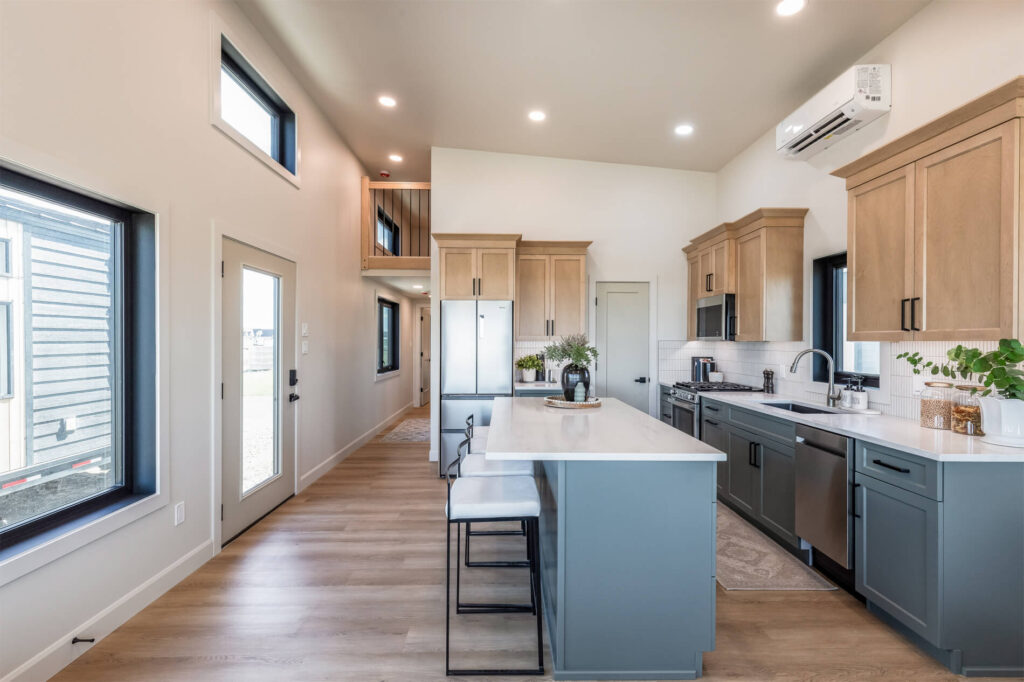
Tiny living gives you the freedom to slow down and live a little closer to the landscape around you. Finding the right place for your home is an important part of that journey, and taking the time to understand your options can make all the difference.
If you’re still working out where your home will go, we’re happy to talk through which model makes the most sense for your plans. You can also find more answers in our Tiny Home FAQ, or get in touch with our team in Bow Island.
Let’s Build A Home Made for Your Place
Wherever you plan to put down roots, we’d love to help you build a home that feels right for the place you call home.
