
The sweeping prairie landscapes offer an inspiring backdrop for anyone looking to embrace a simpler, more intentional lifestyle. It makes perfect sense that the tiny home movement has established deep roots right here in Southern Alberta. For many, downsized living has evolved far beyond a passing architectural trend. It has become a deliberate pathway toward long-term financial freedom, a practical way to secure a sustainable retirement, or an opportunity to construct a premium retreat.
However, making the transition to a smaller footprint requires an uncompromising focus on quality. The local climate presents environmental demands that test the limits of traditional construction. This is a region where intense winds can howl at 100 km/h and winter temperatures can drastically plunge to -30°C. Because of these extreme conditions, not all tiny homes are built to survive the elements.
If you are currently researching tiny home builders across Southern Alberta, navigating the options can feel like a mix of anticipation and overwhelming uncertainty. Discerning whether a builder is genuinely equipped to handle the unique Alberta climate takes more than a glance at beautiful interior photos. This Amberwood Tiny Homes guide outlines the essential non-negotiables you need to consider.
The Alberta Standard: Why Structural Quality Trumps Floor Plans.
In warmer, temperate climates, a tiny home can get away with being little more than a stylized trailer. In Southern Alberta, it needs to be engineered like a fortress. When you begin evaluating potential builders, your primary focus shouldn’t revolve around interior paint colours, siding options, or creative floor plans. Instead, you must look directly at the structural building and the quality of materials utilized.
1. Superior Thermal Performance (Conquering the -30°C Winter)
A surprising number of tiny home manufacturers across North America rely on standard fibreglass batting insulation. Over time, highway vibrations cause the batting to settle, leaving gaps inside the walls. In a harsh Southern Alberta winter, those hidden gaps inevitably lead to problems.
What to Demand: Always look for a builder, such as Amberwood Tiny Homes, who utilizes closed-cell spray foam insulation. Closed-cell foam fills every microscopic crevice, acting simultaneously as a high-R-value thermal barrier and a dense vapour barrier that seals the structure against freezing drafts.
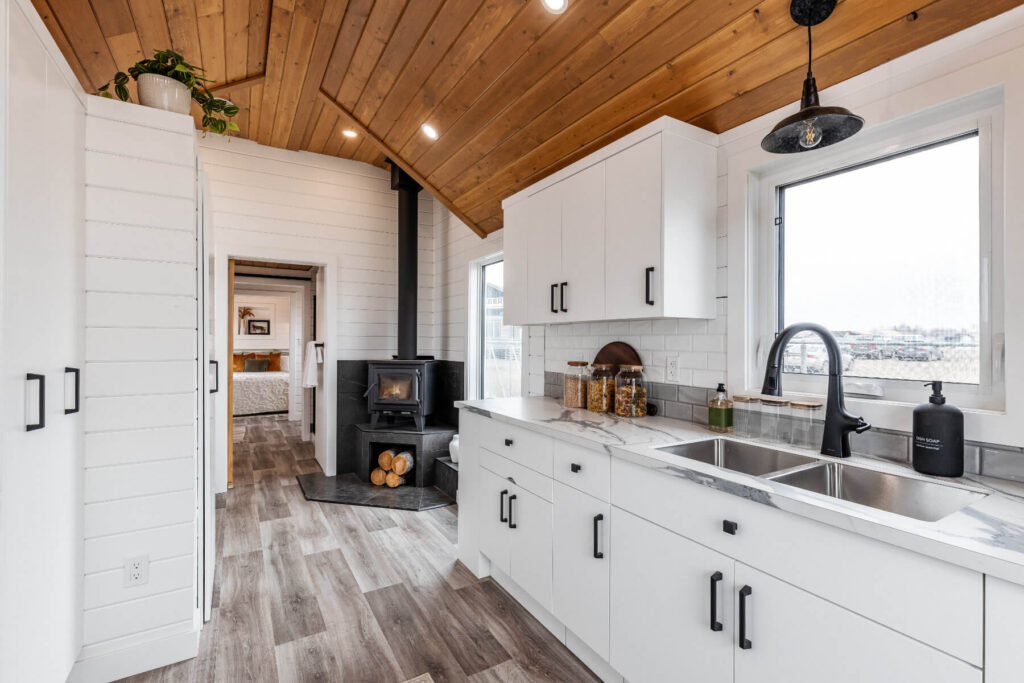
The Window Factor: High-performance, double-pane windows specifically rated for Canadian winters are absolutely critical to minimize heat loss and prevent indoor condensation from warping your frames.
2. Legal Protections: Why CSA Certification Is Non-Negotiable
The single most common hurdle new tiny home owners face is answering the practical question: Where can I legally park my home? The answer to that question is almost entirely dictated by how the structure is officially certified.
- CSA Z240 RV Certification: This designation is required if you plan on travelling frequently. These builds are universally recognized by the vast majority of RV parks and are straightforward to insure.
- CSA Z241 Park Model Certification: Park Models can expand up to 540 square feet and are engineered for long-term placement. Offering a distinctly residential feel, they serve as the gold standard for legal Accessory Dwelling Units (ADUs) or garden suites.
- The Red Flag: If a builder avoids talking about certification or cannot provide official CSA documentation, walk away. Without it, you will likely face severe struggles finding a legal parking spot, securing traditional financing, or getting an insurance policy.
3. The Structural Foundation of the Chassis
Your home is only as stable as the foundation it rides on. Because tiny homes are built on trailers, the engineering of that underlying steel frame dictates the lifespan of the entire build. A premier builder like Amberwood Tiny Homes won’t use a generic flatbed utility trailer. They will build on custom-engineered, heavy-duty chassis specifically designed to support the immense tracking weight of residential-grade materials like solid wood cabinetry and heavy quartz countertops without twisting, bowing, or swaying on the highway.

Critical Warning Signs: 4 Tiny Home Builder Red Flags
When you are actively vetting local builders, listen closely to how they describe their processes. Watch out for these warning signs that indicate a clear lack of professional experience:
Vague “Four-Season” Claims: Be cautious if a salesperson confidently declares their models are built for all seasons but stumbles when asked to explain exact wall R-values or specify how they protect underbelly plumbing lines from freezing solid.
No Physical Build Facility: A professional, reputable builder should operate out of a dedicated construction facility. They should welcome invitations for you to walk the shop floor and inspect homes at various stages of structural framing and insulation.

Off-the-Shelf Cabinetry: In a compact home, your cabinets essentially function as structural walls. If a builder installs thin, off-the-shelf plywood cabinets, they simply will not withstand the constant vibrations of highway travel or the heavy, daily wear of a primary residence. This is specifically why Amberwood Tiny Homes partners with Heibert Cabinets to create exquisite, functional and appropriately structural custom cabinetry.
Opaque Base Pricing Structures: Beware of base prices that look too good to be true. Reputable builders provide transparent, itemized estimates from day one, ensuring essential elements like heating systems, ventilation, and delivery logistics are clearly accounted for before you ever sign a build agreement.
The Interior Sanctuary: Mastering Intentional Small-Space Design
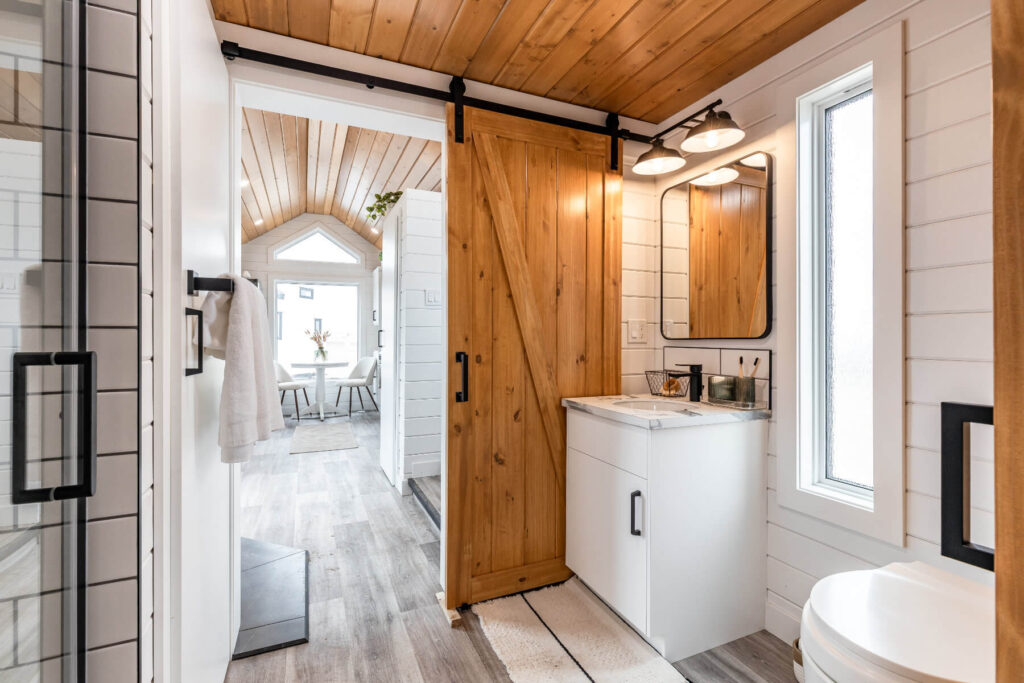
Beyond R-values and framing specs, a premium builder must demonstrate a deep understanding of the subtle psychology of small spaces. A poorly designed tiny home can quickly feel like a cramped, dark hallway. A masterfully crafted Amberwood Tiny Home, however, feels like an open, airy sanctuary.
Achieving this balance requires an intentional focus on architectural details:
Strategic Sightlines: Correctly positioning oversized windows to draw the eye outward, making a compact footprint feel double its physical size.
Custom Integrated Millwork: Custom-building storage into vertical wall cavities, stairs, and bench seating so clutter never has a chance to take over the living space.
Residential-Grade Finishes: Using authentic tile backsplashes, solid hardware, and premium surfaces. These small touches provide the physical weight, permanence, and comfort of a traditional custom estate.
The Amberwood Difference: A Family Legacy of Master Craftsmanship
At Amberwood Crafted Tiny Homes, we don’t just build small houses; we build on an enduring legacy of construction excellence. Based in Bow Island, Alberta, our roots run deep into high-end custom home building and precision cabinetry through the Hiebert Group, the trusted hands behind Jade Homes, Hiebert Cabinets, Jasper Homes, The Cabinet Nook and of course Amberwood.
When we established Amberwood, we did so with a singular, clear mission: to prove that small-footprint living can be spectacular.
Why Southern Alberta Homeowners Trust Amberwood:
Generational Woodworking Expertise: Led by John Hiebert, our team brings decades of combined luxury residential building experience and master-level millwork to every single tiny home we touch. We don’t just order and install generic boxes; we custom-design and hand-build cabinetry tailored entirely to your personal lifestyle.
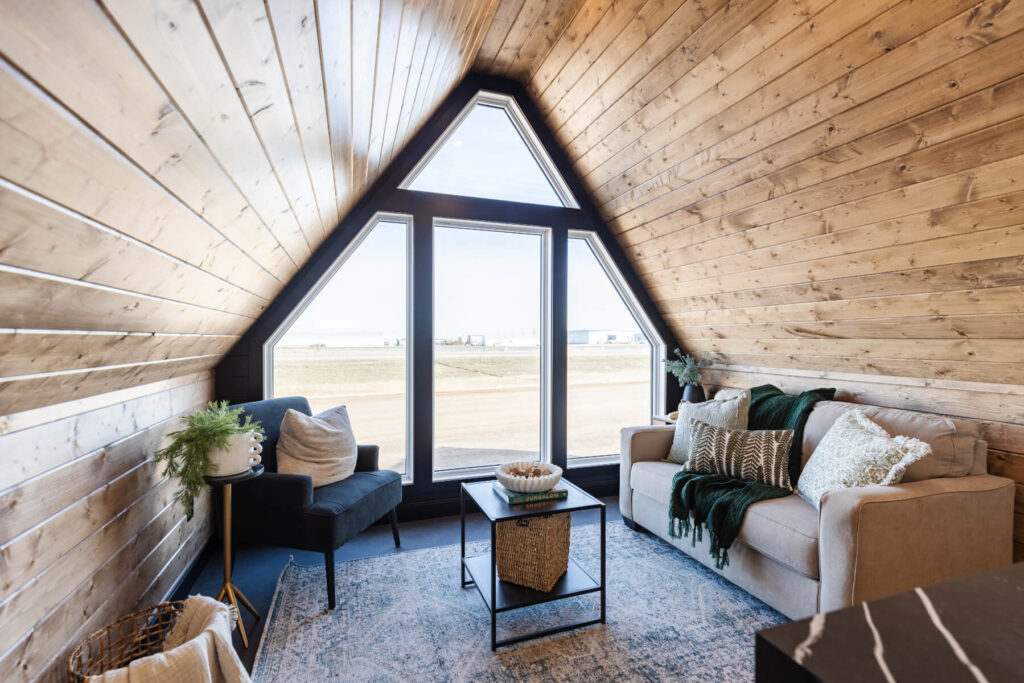
Engineered for the Foothills: We live and work alongside the fierce Alberta winds and freezing winter cold. Our tiny homes are built with premium building envelopes and high-performance materials, keeping you perfectly comfortable whether you’re navigating a July heatwave or a January blizzard.
Three Structured Paths to Tiny Living: We guide you seamlessly through every step of the creative process. Whether you are looking for a certified Park Model for a permanent lakeside retreat, a rugged RV Model for life on the open road, or a completely custom design built from the ground up, we have a path for you.
Uncompromising Quality Controls: From our custom-engineered steel trailers to our highly refined interior finishes, we treat every tiny home project with the exact same respect, care, and meticulous attention to detail as a sprawling 4,000-square-foot luxury estate.
Transitioning to a tiny home is a massive lifestyle milestone, and you deserve a builder who is just as passionately invested in your dream as you are. We invite you to step into our Bow Island, Alberta shop, view our raw craftsmanship firsthand, and sit down with our team to discuss how we can bring your vision of simple living to life.
Explore Our Available Tiny Home Models or Book Your Consultation with the Amberwood Team Today.
